


Introduction
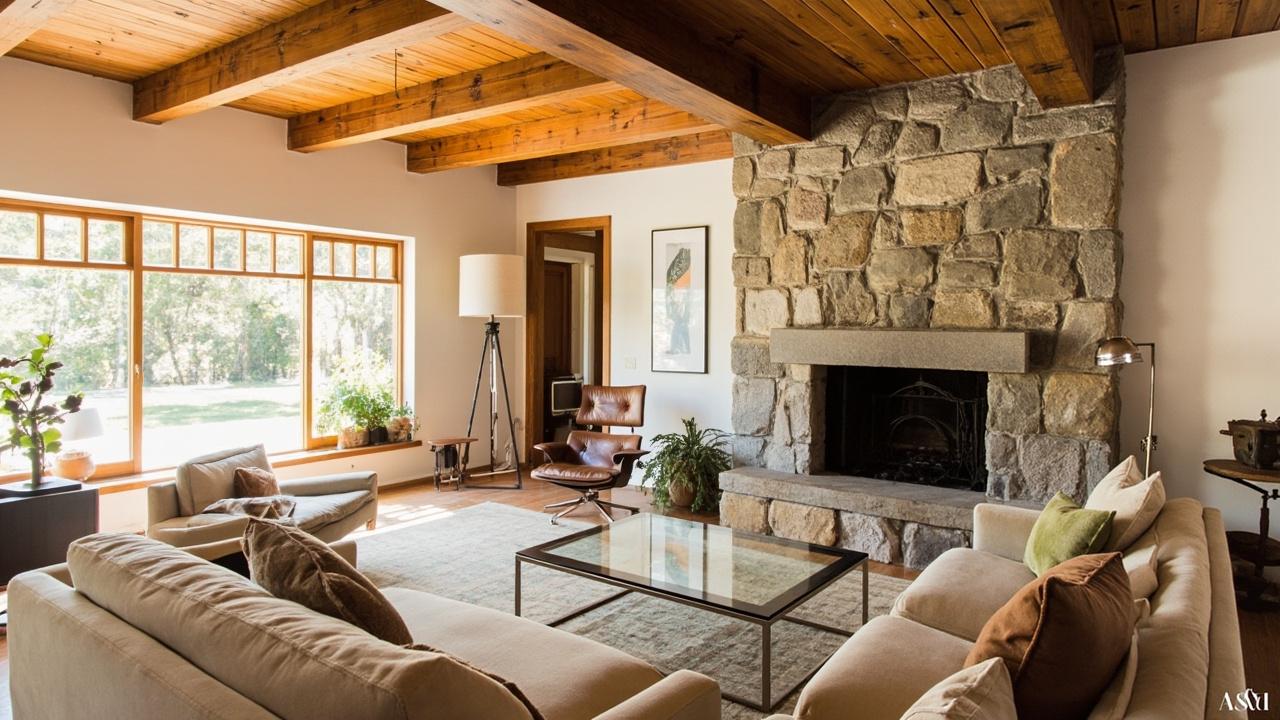
Remodeling Hollywood Hills homes requires a delicate balance, particularly when the architectural style is Mid-Century Modern. These homes, nestled in the iconic landscape, possess a unique allure with their clean lines, expansive windows, and seamless integration with nature. The appeal lies in their simplicity, functionality, and a certain retro charm that evokes a sense of nostalgia.
However, time takes its toll, and the needs of modern living often clash with the original design. Renovating a Mid-Century Modern home in the Hollywood Hills is not simply about updating; it’s about honoring the architectural spirit while enhancing it for contemporary lifestyles. It’s a balancing act between preservation and modernization, a careful dance between the past and the present.
This blog post serves as a guide, a love letter to Mid-Century Modern architecture in the Hollywood Hills, offering insights into how to breathe new life into these iconic homes without sacrificing their soul. We’ll explore the importance of identifying original architectural details and making informed choices about upgrades and materials.
From kitchens and bathrooms to landscaping and outdoor living, we’ll delve into the key elements that contribute to a successful renovation, ensuring that your Mid-Century Modern home remains a timeless treasure for generations to come.
Understanding the Essence
It is vital to start any *remodeling hollywood hills* project by understanding the original architectural details of your Mid-Century Modern home. This understanding forms the bedrock of a successful renovation that respects the home’s heritage while integrating modern amenities. Before you even think about new appliances or paint colors, become an architectural detective, uncovering the layers of history embedded within your walls. Your goal is to identify the key elements that define your home’s unique character.
To begin, meticulously examine both the exterior and interior of your home.
The importance of documenting these details cannot be overstated. Take abundant photos from various angles, creating a visual record of your home’s original features. If possible, research original architectural plans or blueprints, which may provide invaluable insights into the original design intent.
Reaching out to previous owners can also unearth hidden stories and details about the home’s history. A common and costly mistake is ripping out original features without fully understanding their historical significance or architectural value. Resist the urge to immediately demolish; instead, take the time to assess and appreciate what you already have.
Modernizing for Today’s Lifestyle
Modernizing a mid-century modern home isn’t just about aesthetics; it’s also about making it work for contemporary living. This often involves prioritizing functional upgrades in key areas like the kitchen, bathrooms, and lighting, while subtly weaving in smart home technology. Thoughtful upgrades ensure your home is comfortable, efficient, and equipped for the demands of modern life, all while respecting its original character.
Kitchen Transformations
Kitchens are often the heart of a home and a prime target for upgrades. Start by considering energy-efficient appliances. Sleek, stainless steel models with clean lines can complement the mid-century aesthetic.
Think about layout – an open-concept kitchen can enhance flow, but be mindful of maintaining some separation to honor the original design. For cabinetry, explore options that echo the original flat-panel designs, but with updated materials and finishes. Countertops can be modernized with materials like quartz or concrete, choosing colors and patterns that complement the mid-century vibe.
Bathroom Bliss and Brilliant Illumination
Bathrooms also offer great opportunities for functional upgrades. Low-flow fixtures are a must for water conservation, and you can find stylish options that align with the mid-century modern aesthetic. Geometric tiling and retro-inspired color palettes can add character while remaining true to the era. Lighting is another key area for improvement. Replace outdated fixtures with energy-efficient LED options, while carefully considering the style of the fixtures.
Mid-century-inspired pendants or sconces can add a touch of authenticity and charm. For those undertaking a remodeling hollywood hills project, seamlessly integrating smart home technology is essential. Smart thermostats, lighting systems, and security features can enhance comfort and convenience without clashing with the overall design.
Look for minimalist designs and discreet placements to avoid disrupting the mid-century aesthetic. Remember to always obtain the necessary permits and work with qualified professionals to ensure your upgrades are done safely and up to code.
Respecting the Design Language
When embarking on a renovation, one of the most crucial steps is selecting materials that honor the original design while providing modern functionality. The goal is to create a cohesive and timeless space that feels both authentic and updated. This requires careful consideration and a discerning eye for detail.
Sourcing the Right Wood
Wood was a dominant material in Mid-Century Modern design, often used for cabinetry, paneling, and furniture. When selecting wood for your renovation, consider using species like teak, walnut, or birch, which were commonly used during the era. Pay attention to the finish as well. Opt for natural oil finishes or clear lacquers to showcase the wood’s grain and warmth.
Sustainable sourcing is also a critical factor. Look for FSC-certified wood or reclaimed options to minimize your environmental impact. Furthermore, consider the existing wood elements in your home and strive for a consistent tone and grain pattern when introducing new wood features. Getting this right is key to a successful remodeling hollywood hills project.
Tile and Hardware Choices
Tile offers another opportunity to infuse your renovation with Mid-Century Modern style. Geometric patterns were very popular, so consider incorporating tiles with bold shapes like diamonds, hexagons, or chevrons. Color palettes from the era leaned towards earthy tones, avocado green, mustard yellow, and pops of orange or turquoise. Many manufacturers specialize in reproducing or reinterpreting classic Mid-Century tile designs, offering a wide range of options to choose from.
Don’t underestimate the impact of hardware. Simple, sleek knobs and pulls in brushed brass or chrome can instantly elevate the look of your cabinetry and doors. Search for vintage hardware at architectural salvage yards or opt for high-quality reproductions that capture the essence of the era.
Paint and Finishes
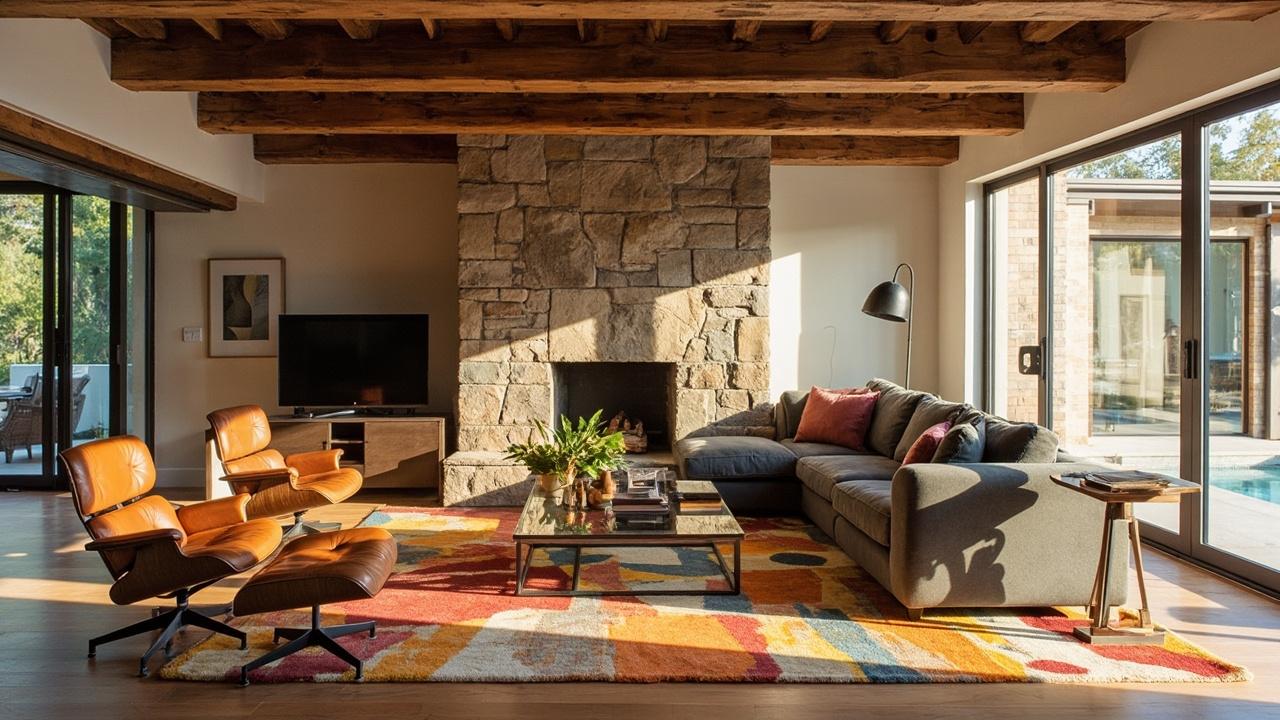
Paint colors can significantly impact the overall feel of your renovated space. While stark white walls were less common in original Mid-Century homes, choosing off-whites or light grays can provide a neutral backdrop that allows other design elements to shine. Alternatively, explore the original color schemes of the era, incorporating muted greens, blues, or oranges as accent colors.
When selecting paint, consider the sheen level as well. Matte or eggshell finishes were more common than high-gloss options. Remember that the right paint, coupled with the right materials, brings the best of both worlds for a fresh, updated look while honoring the mid-century modern style.
Creating Seamless Transitions
Creating harmonious transitions between the original mid-century elements and contemporary updates is crucial for a successful renovation. The goal is to create a cohesive space where the old and new complement each other, rather than compete. This often involves a delicate balance of restraint and innovation. By carefully selecting furniture, colors, and incorporating natural elements, you can bridge the gap between the eras and create a timeless, stylish home.
One effective strategy is to employ furniture styles that act as a bridge between Mid-Century Modern and contemporary aesthetics. Look for pieces with clean lines, minimalist designs, and natural materials like wood and leather.
Here are some ways to create seamless transitions:
Knowing when to stop is just as important as knowing what to add. Resist the urge to completely overhaul the space. Sometimes, the most impactful design choices are the ones you *don’t* make. Allow the original architectural details to speak for themselves, creating a unique and authentic atmosphere. Ultimately, the goal is to create a space that feels both modern and timeless, a true reflection of your personal style while respecting the home’s history.
Many homeowners in the process of remodeling hollywood hills properties understand that maintaining the historic charm of the home is paramount to a successful renovation.
Maximizing Space and Light
Mid-Century Modern design is renowned for its open floor plans, a concept that revolutionized residential architecture. These layouts emphasize spaciousness, connectivity, and a seamless flow between different living areas. Enhancing this inherent characteristic can significantly elevate the comfort and functionality of your Hollywood Hills home.
If your Mid-Century home already boasts an open floor plan, consider ways to further maximize its potential. Conversely, if your home has more defined spaces, explore the possibility of carefully opening up select areas to create a more unified and airy environment.
One of the most effective ways to amplify the feeling of openness is by strategically addressing walls. Removing non-structural walls can instantly transform cramped rooms into expansive living areas, fostering a greater sense of freedom and connection. However, it’s crucial to consult with a qualified structural engineer or architect before undertaking any wall removal. They can assess the structural integrity of your home and determine whether a wall is load-bearing.
Replacing existing windows with larger, more energy-efficient options is another excellent strategy. Opt for window styles that stay true to the Mid-Century aesthetic, such as large picture windows or sliding glass doors, to maximize natural light and offer unobstructed views of the surrounding landscape. Think about incorporating clerestory windows to bring in extra natural light, even if your home’s layout does not allow for large windows.
Furthermore, the strategic use of mirrors can create the illusion of greater space and reflect natural light throughout the home. Position mirrors strategically to bounce light into darker corners and hallways, instantly brightening the space and making it feel more expansive. Light-colored paint and flooring can also contribute to a sense of spaciousness.
Opt for neutral tones like whites, creams, and light grays for walls and flooring to reflect light and create a brighter, more airy atmosphere. When engaging in any kind of home improvement it is imperative to be mindful of the specific regulations and considerations associated with remodeling Hollywood Hills homes.
| Enhancement Strategy | Benefits |
|---|---|
| Removing Non-Structural Walls | Creates expansive living areas, enhances flow. |
| Replacing Windows with Larger Options | Maximizes natural light, offers unobstructed views. |
| Strategic Placement of Mirrors | Creates the illusion of greater space, reflects light. |
| Light-Colored Paint and Flooring | Reflects light, creates a brighter atmosphere. |
Landscaping and Outdoor Living
Mid-Century Modern design wasn’t confined to the four walls of a home; it embraced the surrounding environment, blurring the lines between indoors and out. For a true restoration or sympathetic renovation, particularly when remodeling Hollywood Hills homes, the landscape deserves as much consideration as the interior. The goal is to create a seamless flow, where the architectural style extends gracefully into the garden, patio, or outdoor living space.
This involves a deliberate approach to plant selection, hardscaping materials, and the overall design of the outdoor area. The result should be an exterior that feels like a natural extension of the interior, enhancing the home’s aesthetic and functionality.
Key elements of Mid-Century Modern landscaping include clean lines, geometric shapes, and a minimalist approach. Think structured plantings, defined pathways, and a careful avoidance of overly cluttered or fussy designs. Native plants and drought-tolerant landscaping are excellent choices, reflecting a respect for the environment and a commitment to sustainability.
These plants often have unique textures and forms that complement the architectural style. Consider incorporating hardscaping elements like concrete pavers, gravel pathways, and sculptural features to add visual interest and define outdoor spaces. These features not only enhance the aesthetic but also contribute to the functionality of the outdoor areas, creating inviting spaces for relaxation and entertainment.
Creating functional outdoor living spaces is also crucial. Patios, decks, and even outdoor kitchens can be seamlessly integrated into the Mid-Century Modern landscape. Replicating iconic Mid-Century furniture designs is a great way to furnish these spaces, staying true to the era’s aesthetic.
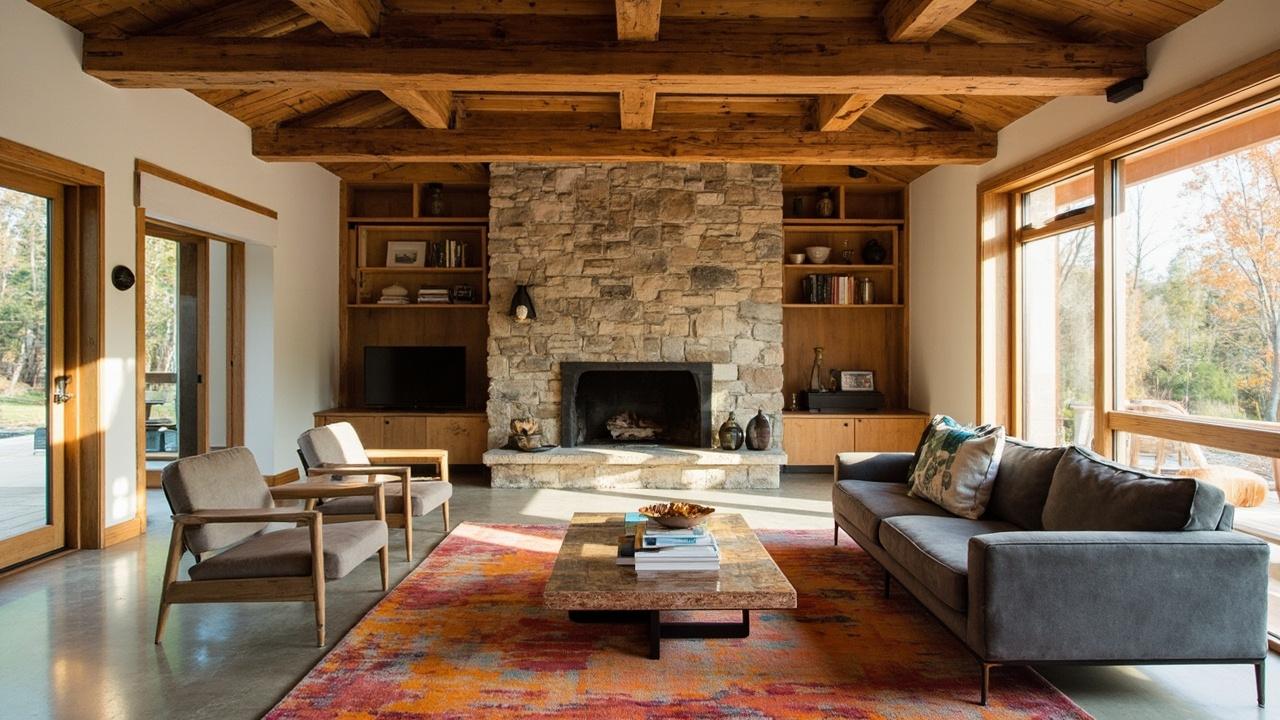
Look for durable, weather-resistant materials that can withstand the elements while maintaining a stylish appearance. The thoughtful integration of landscaping and outdoor living spaces will enhance the overall appeal of your Mid-Century Modern home, providing a harmonious blend of indoor and outdoor living that is both beautiful and functional.
| Element | Mid-Century Modern Characteristics |
|---|---|
| Landscaping | Clean lines, geometric shapes, minimalist design, native plants |
| Hardscaping | Concrete pavers, gravel pathways, sculptural elements |
| Outdoor Furniture | Replicas of iconic Mid-Century designs, durable materials |
The Hollywood Hills Factor
The Hollywood Hills present a unique set of circumstances when considering a home renovation, especially for Mid-Century Modern properties. Beyond the typical considerations of design and materials, homeowners must navigate the challenging terrain, strict building codes, and the ever-present need to maximize those breathtaking views. This elevated level of complexity necessitates a specialized approach, emphasizing the importance of engaging with professionals who possess a deep understanding of the area’s specific requirements.
One of the primary challenges when remodeling Hollywood Hills homes is dealing with the steep inclines and potential grading issues. These factors can significantly impact the scope and cost of any renovation project.
Securing the necessary permits can also be a lengthy and intricate process, as the city has specific guidelines in place to preserve the character and integrity of the neighborhood. However, with careful planning and the right expertise, these hurdles can be overcome, leading to a successful and rewarding transformation.
Furthermore, the allure of a Hollywood Hills address often translates to a substantial increase in property value after a well-executed renovation. By modernizing a Mid-Century home while staying true to its original architectural spirit, homeowners can not only enhance their living experience but also make a sound financial investment.
This makes remodeling Hollywood Hills homes a worthwhile endeavor, offering both aesthetic and economic benefits. The ability to showcase the property’s unique location and spectacular scenery through thoughtful design further amplifies its appeal and value in the competitive real estate market.
Conclusion
Ultimately, the journey of revitalizing a Mid-Century Modern home in the Hollywood Hills is an exercise in thoughtful balance. It demands respect for the past while embracing the possibilities of the future.
By meticulously identifying and preserving original details, thoughtfully modernizing for today’s lifestyle, and skillfully blending old and new, homeowners can achieve a living space that is both historically significant and undeniably comfortable. Remember, this isn’t just about updating a house; it’s about safeguarding a legacy.
The key is to approach each decision with intention, recognizing that every choice has the potential to either enhance or detract from the home’s inherent character. From selecting authentic materials to maximizing space and light, every element should work in harmony to create a cohesive and timeless design.
And for those undertaking a remodeling hollywood hills project, remember the unique challenges and rewards that come with it. From navigating hillside construction to adhering to local preservation guidelines, it’s a process best undertaken with the guidance of experienced professionals.
In conclusion, a well-executed Mid-Century Modern renovation is more than just a cosmetic upgrade; it’s an investment in preserving a unique piece of architectural history. It’s about creating a home that not only reflects your personal style but also pays homage to the iconic design principles of the era. By embracing this philosophy, you can transform your Hollywood Hills Mid-Century Modern property into a timeless masterpiece that will be enjoyed for generations to come.
Frequently Asked Questions
What is the typical cost per square foot for remodeling in the Hollywood Hills?
Remodeling costs per square foot in the Hollywood Hills can vary significantly depending on the scope of the project and the quality of materials used. Expect to pay a premium compared to other areas due to the area’s high-end market and potential complexities related to hillside construction and access.
Costs can range from $300 to upwards of $800 or more per square foot for extensive renovations.
What are the common challenges and permits required for remodeling a home in the Hollywood Hills?
Remodeling in the Hollywood Hills presents unique challenges due to steep slopes, limited access, and potential geological issues. Permits often require extensive geological surveys and engineering plans to ensure structural stability. Common challenges include navigating complex zoning regulations, obtaining hillside development permits, and managing potential environmental impacts, such as erosion control.
How do HOAs (Homeowner Associations) impact remodeling projects in the Hollywood Hills?
Homeowner Associations can significantly impact remodeling projects in the Hollywood Hills by enforcing strict architectural guidelines and design restrictions. These rules often dictate aesthetics, materials, and project timelines. It’s crucial to thoroughly review HOA bylaws and submit detailed plans for approval before commencing any work to avoid costly delays or violations.
What are some popular design trends and material choices for remodels in the Hollywood Hills?
Popular design trends in Hollywood Hills remodels often embrace modern luxury with a focus on indoor-outdoor living. Materials like natural stone, large glass windows, and sustainable wood are frequently used to create seamless transitions between interior spaces and stunning views. Open floor plans, sleek kitchens, and spa-like bathrooms are also common features.
How can I find a reputable contractor experienced in remodeling projects in the Hollywood Hills?
Finding a reputable contractor experienced in Hollywood Hills remodeling requires careful research and due diligence. Seek recommendations from neighbors, architects, or interior designers familiar with the area. Verify licenses, insurance, and references, and thoroughly review past project portfolios to ensure they have the expertise to handle the unique challenges of hillside construction and high-end design.
{
“@context”: “https://schema.org”,
“@type”: “FAQPage”,
“mainEntity”: [{
“@type”: “Question”,
“name”: “What is the typical cost per square foot for remodeling in the Hollywood Hills?”,
“acceptedAnswer”: {
“@type”: “Answer”,
“text”: “Remodeling costs per square foot in the Hollywood Hills can vary significantly depending on the scope of the project and the quality of materials used. Expect to pay a premium compared to other areas due to the area’s high-end market and potential complexities related to hillside construction and access. Costs can range from $300 to upwards of $800 or more per square foot for extensive renovations.”
}
},{
“@type”: “Question”,
“name”: “What are the common challenges and permits required for remodeling a home in the Hollywood Hills?”,
“acceptedAnswer”: {
“@type”: “Answer”,
“text”: “Remodeling in the Hollywood Hills presents unique challenges due to steep slopes, limited access, and potential geological issues. Permits often require extensive geological surveys and engineering plans to ensure structural stability. Common challenges include navigating complex zoning regulations, obtaining hillside development permits, and managing potential environmental impacts, such as erosion control.”
}
},{
“@type”: “Question”,
“name”: “How do HOAs (Homeowner Associations) impact remodeling projects in the Hollywood Hills?”,
“acceptedAnswer”: {
“@type”: “Answer”,
“text”: “Homeowner Associations can significantly impact remodeling projects in the Hollywood Hills by enforcing strict architectural guidelines and design restrictions. These rules often dictate aesthetics, materials, and project timelines. It’s crucial to thoroughly review HOA bylaws and submit detailed plans for approval before commencing any work to avoid costly delays or violations.”
}
},{
“@type”: “Question”,
“name”: “What are some popular design trends and material choices for remodels in the Hollywood Hills?”,
“acceptedAnswer”: {
“@type”: “Answer”,
“text”: “Popular design trends in Hollywood Hills remodels often embrace modern luxury with a focus on indoor-outdoor living. Materials like natural stone, large glass windows, and sustainable wood are frequently used to create seamless transitions between interior spaces and stunning views. Open floor plans, sleek kitchens, and spa-like bathrooms are also common features.”
}
},{
“@type”: “Question”,
“name”: “How can I find a reputable contractor experienced in remodeling projects in the Hollywood Hills?”,
“acceptedAnswer”: {
“@type”: “Answer”,
“text”: “Finding a reputable contractor experienced in Hollywood Hills remodeling requires careful research and due diligence. Seek recommendations from neighbors, architects, or interior designers familiar with the area. Verify licenses, insurance, and references, and thoroughly review past project portfolios to ensure they have the expertise to handle the unique challenges of hillside construction and high-end design.”
}
}]
}


