


Understanding Quartzite
Embarking on a Brentwood kitchen renovation? One of the most exciting, yet challenging, decisions you’ll face is selecting the perfect countertop. With so many options available, zeroing in on the right material can feel overwhelming. Two contenders consistently rise to the top of the list for their beauty and durability: quartz and quartzite. However, understanding the nuances of each material is crucial to ensuring you make a choice that perfectly complements your style, needs, and budget.
For many Brentwood homeowners, the question of quartz versus quartzite looms large. Both offer distinct advantages, but cater to different aesthetic preferences and lifestyles. The wrong choice can not only impact the visual appeal of your kitchen but also its functionality and even your home’s overall value in the competitive Brentwood real estate market. This article serves as your comprehensive guide, offering clarity and expert insights to empower you to make an informed decision.
We’ll delve into the unique characteristics of each material, comparing their aesthetics, durability, maintenance requirements, and costs. We will help you navigate this critical decision point, equipping you with the knowledge to confidently select the countertop that will transform your Brentwood kitchen into the heart of your home.
Delving Into Quartz
Quartz countertops represent a marvel of modern engineering, offering homeowners a blend of natural beauty and unparalleled practicality. Unlike quartzite, which is a product of the earth’s geological processes, quartz is an engineered stone, meticulously crafted by combining approximately 90-93% ground natural quartz with 7-10% resins, polymers, and pigments. This precise mixture results in a surface that boasts remarkable consistency, durability, and a spectrum of aesthetic possibilities.
The beauty of quartz lies in its uniformity. The manufacturing process allows for a controlled distribution of color and pattern, eliminating the variations inherent in natural stone. This consistency is particularly appealing to homeowners seeking a sleek, modern look or those who prefer a more predictable aesthetic.
Furthermore, the ability to infuse pigments during manufacturing opens up a vast palette of color options, from classic whites and grays to bold blues and vibrant greens. This level of customization allows for seamless integration with any design scheme, making it a versatile choice for any *brentwood kitchen renovation*.
Beyond color, quartz countertops offer endless design possibilities. Manufacturers can manipulate the size and distribution of quartz particles, creating a range of textures and patterns, from fine-grained surfaces that mimic the look of marble to coarser textures that evoke the feel of granite.
Veining patterns can also be precisely engineered, offering the elegance of natural stone with the consistency and durability of an engineered product. In essence, quartz empowers homeowners with the freedom to create a countertop that perfectly reflects their individual style and preferences.
- Highly customizable designs
- Consistent color and pattern options
- Controlled manufacturing process
Aesthetics
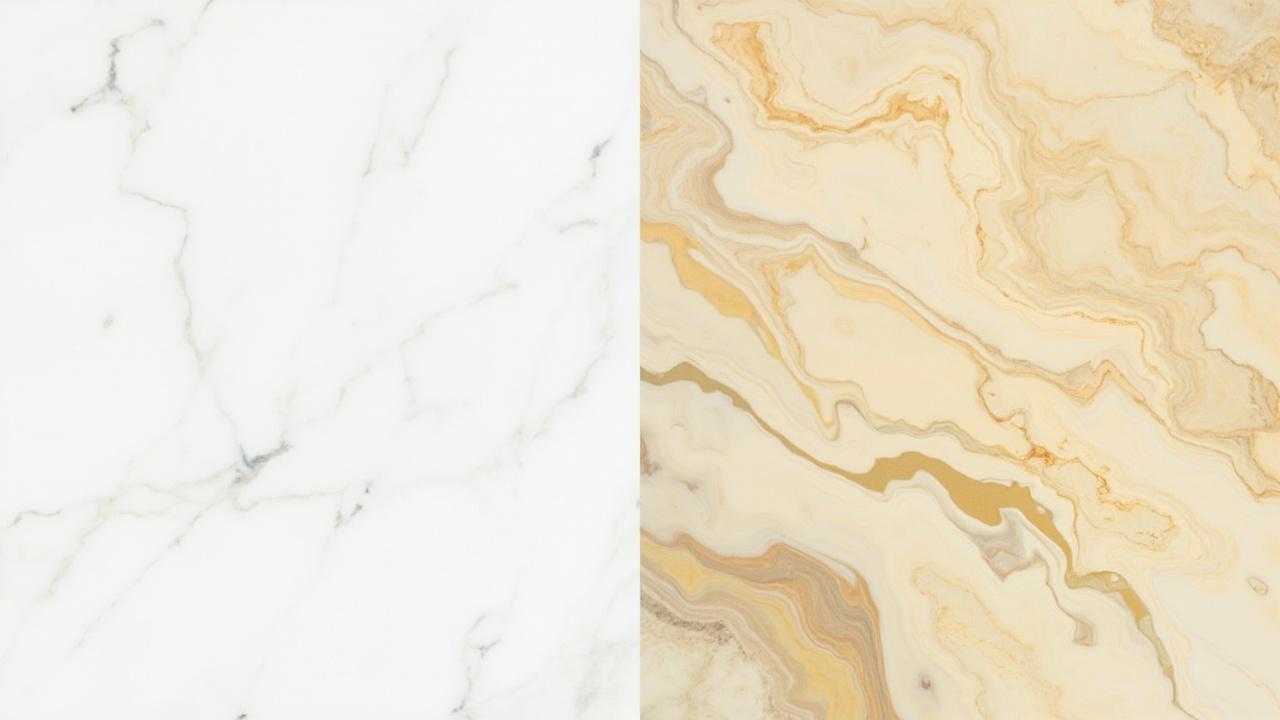
When diving into the world of countertops, especially for a brentwood kitchen renovation, aesthetics play a pivotal role. Quartzite, with its origins deep within the earth, offers a visual experience unlike any other. Imagine slabs showcasing dramatic veining, reminiscent of marble but with a more robust character. Colors range from creamy whites and soft beiges to bolder grays and even hints of pink or gold, depending on the minerals present during its formation.
Each slab tells a story, a unique geological narrative etched in stone. For homeowners drawn to the allure of natural stone, quartzite provides an unparalleled sense of individuality and timelessness. Think of a rustic farmhouse kitchen, where a quartzite countertop with earthy tones perfectly complements reclaimed wood cabinetry and exposed brick, creating a warm and inviting space.
In contrast, quartz presents a more uniform and controlled aesthetic. As an engineered stone, quartz countertops offer a remarkable consistency in color and pattern. This predictability is a major draw for those who prefer a clean, modern look.
The color palette is incredibly diverse, ranging from classic neutrals to vibrant hues that would be difficult to find in natural stone. Homeowners can choose from solid colors, subtle patterns that mimic natural stone, or even bold, contemporary designs with embedded glass or metallic flecks. Picture a sleek, minimalist kitchen in a Brentwood condo, where a stark white quartz countertop with a subtle sparkle complements stainless steel appliances and handleless cabinets, creating a chic and contemporary space.
Ultimately, the choice between quartzite and quartz comes down to personal taste and the desired aesthetic of your Brentwood home. Do you crave the unique character and organic beauty of a natural stone, with its inherent variations and imperfections?
Or do you prefer the consistency and modern appeal of an engineered material, with its wide range of colors and patterns? Carefully consider the overall style of your home, your personal preferences, and the atmosphere you wish to create in your kitchen before making your final decision.
| Feature | Quartzite | Quartz |
|---|---|---|
| Aesthetic | Natural variations, unique veining, earthy tones | Consistent patterns, wide color range, modern look |
| Best for | Those who love natural stone’s individuality | Those who prefer a uniform and modern aesthetic |
| Color Palette | Creams, beiges, grays, pinks, golds | Unlimited range, including vibrant and unusual colors |
Durability and Maintenance
Quartzite is known for its strength, formed under intense heat and pressure, resulting in a durable surface resistant to heat, scratches, and even stains. However, that impressive resistance hinges on one crucial factor: proper sealing. Quartzite, while naturally durable, has microscopic pores.
Without a sealant, liquids-especially acidic ones like lemon juice or wine-can seep into these pores, leading to staining and etching. Regular sealing is key to protecting your investment. Homeowners should also be mindful of abrasive cleaners that can dull the sealant over time, making it necessary to reseal more frequently.
Quartz, on the other hand, offers a different approach to durability and maintenance. Its engineered composition of quartz crystals and resin creates a non-porous surface that is naturally resistant to stains. Spills can be easily wiped away without the need for constant vigilance or special cleaning products. Quartz is also highly resistant to scratches and chips, making it a worry-free option for busy kitchens.

However, it’s important to note that while quartz can withstand moderate heat, it’s not entirely heatproof. Placing hot pots and pans directly on a quartz countertop can cause discoloration or even cracking. Therefore, using trivets or hot pads is always recommended. For a brentwood kitchen renovation, weighing the pros and cons of each material is important.
Here’s a quick comparison to further illustrate the differences:
Cost Analysis
When undertaking a brentwood kitchen renovation, understanding the financial implications of your countertop choice is paramount. Both quartzite and quartz represent significant investments, and the price tags can vary considerably based on several factors. Generally speaking, quartzite tends to be at the higher end of the spectrum, often costing more per square foot than quartz.
This is primarily due to its natural origin, the complexities involved in quarrying and transporting it, and the greater skill required for fabrication. However, specific pricing can fluctuate based on the rarity and color of the quartzite slab. Exotic varieties with dramatic veining will command a premium.
Beyond the material cost itself, installation charges play a crucial role in the overall expense. Intricate kitchen designs or larger countertop areas will naturally increase labor costs. Quartzite, being a harder stone, can be more challenging to cut and fabricate, potentially leading to higher installation fees compared to quartz.
Therefore, it’s essential to obtain detailed quotes from multiple fabricators in the Brentwood area, ensuring they include all aspects of the project, from templating and cutting to installation and finishing. Don’t hesitate to ask for a breakdown of costs to understand where your money is being allocated.
Furthermore, consider the long-term expenses associated with each material. While quartz boasts low maintenance due to its non-porous nature, quartzite requires regular sealing to prevent staining and etching, incurring costs for sealant and potentially professional application every one to two years. When budgeting for your brentwood kitchen renovation, it is important to factor in the long-term maintenance expenses associated with each material.
Remember, a lower initial price for quartz might be offset by the ongoing cost of sealing quartzite. Ultimately, the most informed decision considers both the upfront investment and the lifecycle costs to ensure you’re making a financially sound choice that aligns with your budget and lifestyle.
| Cost Factor | Quartzite | Quartz |
|---|---|---|
| Material Cost (per sq ft) | Generally Higher | Generally Lower |
| Installation Cost | Potentially Higher (due to hardness) | Potentially Lower (easier fabrication) |
| Long-Term Maintenance | Sealing required (every 1-2 years) | Low maintenance (no sealing) |
Installation and Fabrication
Installing quartz or quartzite countertops is not a DIY project; it demands precision and expertise. Therefore, securing skilled professionals who understand the nuances of each material is paramount. A poorly executed installation can compromise the countertop’s appearance, structural integrity, and longevity, ultimately leading to costly repairs or even replacement. The expertise of the fabrication and installation team is just as crucial as the material itself.
Quartzite, in particular, presents unique challenges. Its inherent hardness can make cutting and shaping it difficult. Specialized equipment and techniques are necessary to achieve clean edges, precise miters, and seamless seams.
Attempting to work with quartzite without the right tools and skills can result in chipping, cracking, and an unsatisfactory final product. Conversely, while quartz is more consistent and generally easier to fabricate than quartzite, experience is still crucial. A skilled fabricator will be able to minimize visible seams, create smooth, polished edges, and properly integrate sinks and other fixtures for a flawless finish.
For any *brentwood kitchen renovation*, thorough vetting of potential contractors is essential. Request references from previous clients and take the time to contact them. Inquire about the contractor’s workmanship, attention to detail, and overall professionalism.
A reputable contractor will be transparent about their processes, provide a detailed quote, and be willing to answer all your questions. Don’t hesitate to ask about their experience specifically with quartz and quartzite. Ensure that they have the necessary licenses and insurance to protect yourself from liability in case of accidents or damage during the installation process.
Environmental Considerations
The environmental impact of home renovations is a growing concern for environmentally conscious homeowners. When choosing between quartzite and quartz for a *brentwood kitchen renovation*, considering the sustainability and eco-friendliness of each material is essential. Both options have different environmental footprints, stemming from their sourcing and manufacturing processes. Understanding these differences can help you make a more informed and responsible decision.
Quartzite’s Environmental Profile
Quartzite, being a natural stone, is directly sourced from quarries. The process of quarrying involves extracting the stone from the earth, which can disrupt local ecosystems and habitats. The transportation of heavy quartzite slabs from the quarry to fabrication facilities and then to your Brentwood home also contributes to carbon emissions.
However, quartzite is a naturally abundant material, and responsible quarrying practices can minimize its environmental impact. Look for suppliers that adhere to sustainable quarrying standards and prioritize environmental protection. It is also a very long-lasting material so does not need to be replaced as often as other materials may.
Quartz and Sustainability
Quartz countertops, while containing natural quartz crystals, are engineered products. This means they require a manufacturing process that involves combining quartz with resins, polymers, and pigments. The energy consumption and potential emissions associated with manufacturing these materials should be considered.
However, a key advantage of quartz is the potential for incorporating recycled content. Some manufacturers utilize recycled glass, stone, or other materials in their quartz countertops, reducing the demand for virgin resources. Opting for quartz with recycled content can significantly lessen its environmental footprint.

Longevity and the Big Picture
Ultimately, the longevity and durability of both quartz and quartzite play a crucial role in their overall sustainability. Countertops that last for decades reduce the need for frequent replacements, conserving resources and minimizing waste. Both materials, when properly cared for, can offer excellent durability. Consider the full lifecycle of each material, from extraction or manufacturing to installation, use, and eventual disposal, to make the most eco-conscious choice for your Brentwood kitchen.
Making the Decision
When it comes down to selecting the perfect countertop for your space, the decision between quartz and quartzite is multifaceted. Ultimately, the right choice hinges on aligning the material’s properties with your individual preferences, budget, and lifestyle needs. Let’s break down some scenarios to help guide you.
Prioritizing Low Maintenance and Modern Aesthetics
If you’re a homeowner in Brentwood prioritizing minimal upkeep and a sleek, contemporary design, quartz might be your ideal selection. Its non-porous surface inherently resists stains and bacterial growth, eliminating the need for regular sealing.
This makes it an excellent choice for busy individuals or families who prefer to spend less time on cleaning and maintenance. Furthermore, the array of colors and patterns available in quartz, from solid hues to intricate veining, offers unparalleled design flexibility to complement modern kitchen styles.
Embracing Natural Beauty and Accepting Maintenance
For those captivated by the unique beauty of natural stone and willing to invest in regular maintenance, quartzite could be the perfect fit. Its striking veining patterns and earthy tones create a one-of-a-kind aesthetic that adds character and warmth to any kitchen. However, it’s crucial to acknowledge that quartzite requires sealing to protect it from stains and etching caused by acidic substances.
If you’re prepared to commit to this ongoing maintenance, the natural elegance of quartzite can elevate your kitchen to a new level of sophistication. Many homeowners undertaking a brentwood kitchen renovation find that the natural beauty of quartzite is worth the extra effort.
Finally, before making a final decision, it is essential to visit local showrooms and view full slabs of both quartz and quartzite in person. Photographs can provide a good idea, but nothing can substitute the experience of seeing the material up close, feeling its texture, and assessing how it complements the overall aesthetic of your Brentwood home. This hands-on experience will empower you to make a confident choice that you’ll enjoy for years to come.
Conclusion
Ultimately, the choice between quartz and quartzite hinges on a delicate balance of personal preference, practical needs, and budgetary considerations. Both materials represent a significant investment in your home and offer distinct advantages that can elevate the aesthetic and functional value of your kitchen. By carefully weighing the pros and cons, considering your lifestyle, and visualizing your dream kitchen, you can confidently select the countertop that perfectly complements your Brentwood home.
Remember that this decision isn’t just about selecting a surface; it’s about investing in a long-lasting feature that will enhance your daily life and potentially increase your home’s value. A *brentwood kitchen renovation*, especially one involving new countertops, is a significant undertaking, so don’t rush the process. Take the time to explore different options, compare prices, and speak with experienced professionals who can guide you toward the best choice for your unique situation.
Now that you’re armed with the knowledge to make an informed decision, we encourage you to take the next step. Contact a local countertop expert in the Brentwood area today to discuss your project and receive a personalized quote. Alternatively, download our free guide to countertop selection for even more in-depth information and helpful tips. With the right planning and guidance, your dream Brentwood kitchen is within reach.
Frequently Asked Questions
What is the average cost of a kitchen renovation in Brentwood?
The average cost of a kitchen renovation in Brentwood can vary significantly depending on the size of the kitchen, the scope of the project, and the quality of materials used. A minor cosmetic update might cost in the low thousands, while a complete gut renovation with high-end appliances and custom cabinetry could easily exceed tens of thousands of dollars.
It’s essential to obtain multiple quotes from contractors to get a more accurate estimate for your specific needs.
How long does a typical kitchen renovation take in Brentwood?
The duration of a typical kitchen renovation in Brentwood also depends on the project’s complexity. A simple refresh with new paint and countertops might take a week or two.
However, a full-scale remodel involving structural changes, new plumbing, and electrical work could take several weeks, or even a few months. Unforeseen issues, such as hidden damage or delays in material delivery, can also affect the timeline.
Do I need permits for a kitchen renovation in Brentwood?
Whether you need permits for a kitchen renovation in Brentwood depends on the extent of the work being done. Generally, permits are required for any structural changes, electrical work, or plumbing modifications.
It’s best to check with the local building department to determine the specific permit requirements for your project to avoid potential fines or delays. Failing to obtain required permits can lead to significant problems down the line.
What are the most popular kitchen design trends in Brentwood right now?
Popular kitchen design trends in Brentwood currently include open-concept layouts that seamlessly integrate the kitchen with living spaces. There’s also a strong emphasis on natural light, often achieved through large windows and skylights.
Other trends include using sustainable materials, incorporating smart home technology, and opting for minimalist designs with clean lines and neutral color palettes. Quartz countertops and shaker-style cabinets remain popular choices.
How can I find a reputable kitchen renovation contractor in Brentwood?
Finding a reputable kitchen renovation contractor in Brentwood requires careful research. Start by asking friends, family, and neighbors for recommendations. Check online review sites like Yelp and Angie’s List, and look for contractors with positive ratings and testimonials.
Ensure the contractor is licensed and insured, and always get multiple bids before making a decision. It’s also wise to check references and view examples of their previous work.
{
“@context”: “https://schema.org”,
“@type”: “FAQPage”,
“mainEntity”: [{
“@type”: “Question”,
“name”: “What is the average cost of a kitchen renovation in Brentwood?”,
“acceptedAnswer”: {
“@type”: “Answer”,
“text”: “The average cost of a kitchen renovation in Brentwood can vary significantly depending on the size of the kitchen, the scope of the project, and the quality of materials used. A minor cosmetic update might cost in the low thousands, while a complete gut renovation with high-end appliances and custom cabinetry could easily exceed tens of thousands of dollars. It’s essential to obtain multiple quotes from contractors to get a more accurate estimate for your specific needs.”
}
},{
“@type”: “Question”,
“name”: “How long does a typical kitchen renovation take in Brentwood?”,
“acceptedAnswer”: {
“@type”: “Answer”,
“text”: “The duration of a typical kitchen renovation in Brentwood also depends on the project’s complexity. A simple refresh with new paint and countertops might take a week or two. However, a full-scale remodel involving structural changes, new plumbing, and electrical work could take several weeks, or even a few months. Unforeseen issues, such as hidden damage or delays in material delivery, can also affect the timeline.”
}
},{
“@type”: “Question”,
“name”: “Do I need permits for a kitchen renovation in Brentwood?”,
“acceptedAnswer”: {
“@type”: “Answer”,
“text”: “Whether you need permits for a kitchen renovation in Brentwood depends on the extent of the work being done. Generally, permits are required for any structural changes, electrical work, or plumbing modifications. It’s best to check with the local building department to determine the specific permit requirements for your project to avoid potential fines or delays. Failing to obtain required permits can lead to significant problems down the line.”
}
},{
“@type”: “Question”,
“name”: “What are the most popular kitchen design trends in Brentwood right now?”,
“acceptedAnswer”: {
“@type”: “Answer”,
“text”: “Popular kitchen design trends in Brentwood currently include open-concept layouts that seamlessly integrate the kitchen with living spaces. There’s also a strong emphasis on natural light, often achieved through large windows and skylights. Other trends include using sustainable materials, incorporating smart home technology, and opting for minimalist designs with clean lines and neutral color palettes. Quartz countertops and shaker-style cabinets remain popular choices.”
}
},{
“@type”: “Question”,
“name”: “How can I find a reputable kitchen renovation contractor in Brentwood?”,
“acceptedAnswer”: {
“@type”: “Answer”,
“text”: “Finding a reputable kitchen renovation contractor in Brentwood requires careful research. Start by asking friends, family, and neighbors for recommendations. Check online review sites like Yelp and Angie’s List, and look for contractors with positive ratings and testimonials. Ensure the contractor is licensed and insured, and always get multiple bids before making a decision. It’s also wise to check references and view examples of their previous work.”
}
}]
}


